Why Pickleball Is Causing So Many Elbow Injuries in Winter Garden
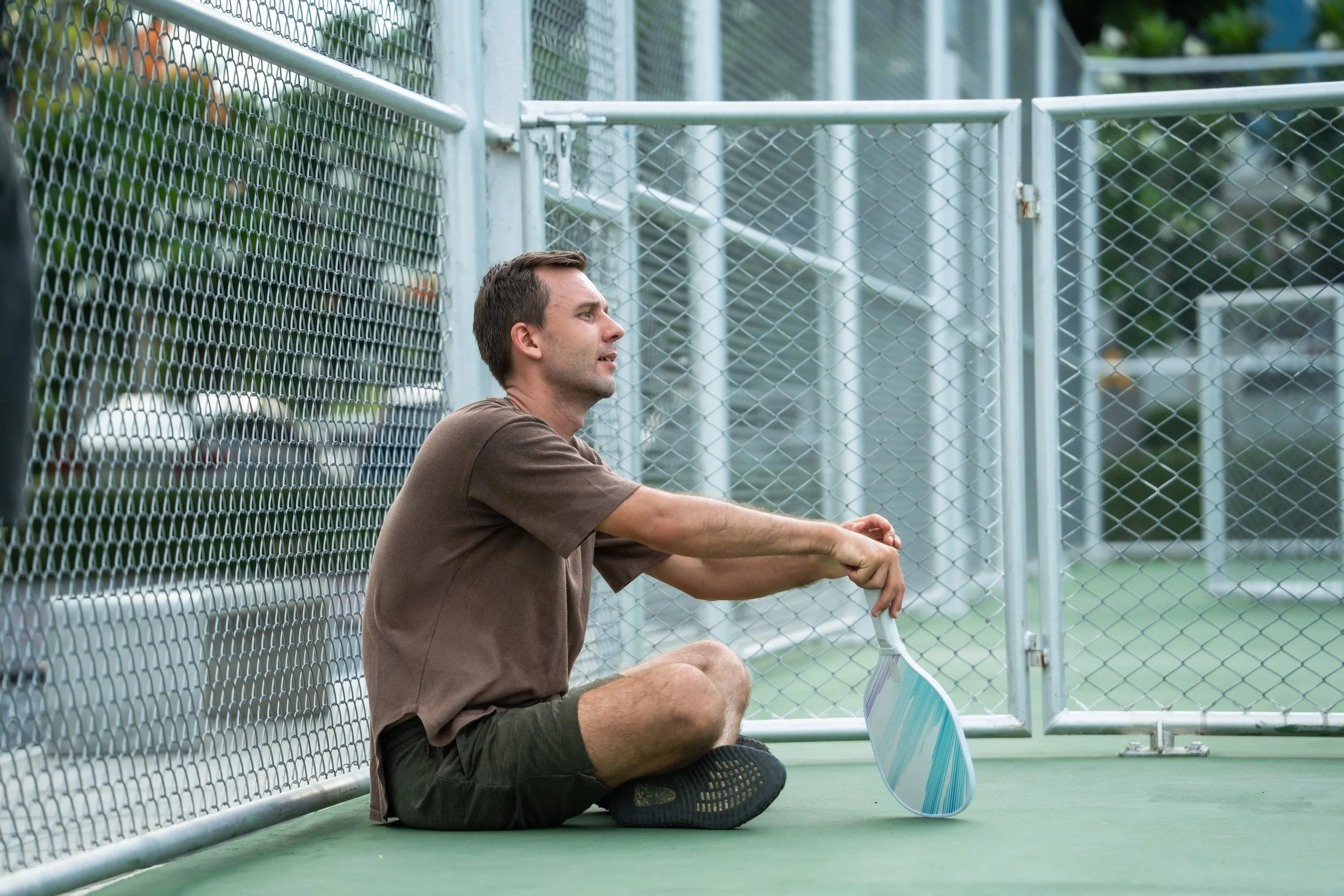
Pickleball has quickly become one of the most popular sports in Winter Garden. Local parks, recreation centers, and neighborhood courts are filled with players of all ages enjoying the game's social atmosphere and exciting competition. While the sport is easy to learn, the rapid increase in participation has also led to a noticeable rise in elbow injuries.
If you have recently developed pain on the outside of your elbow after playing, you are not alone. Many players experience discomfort that starts as a mild ache but gradually becomes severe enough to affect daily activities. Understanding why these injuries happen and seeking the right pickleball elbow treatment early can help you recover faster and return to the court safely.
Why Pickleball Players Are Experiencing More Elbow Injuries
Several factors are contributing to the growing number of pickleball-related elbow injuries in Winter Garden.
More People Are Playing Than Ever Before
The popularity of pickleball has exploded across Florida. With year-round access to outdoor courts and an active community, many residents are playing several times each week. More players naturally mean more overuse injuries, especially among beginners who are still learning proper technique.
Many people jump into frequent matches without gradually building strength or conditioning. The repetitive swinging motion places continuous stress on the tendons around the elbow, increasing the likelihood of injury.
Repetitive Stress on the Elbow
Unlike sudden traumatic injuries, most pickleball elbow problems develop over time. Every forehand, backhand, volley, and serve requires repeated gripping and wrist movement.
These repetitive motions place strain on the tendons that attach to the outer part of the elbow. Eventually, tiny microscopic tears develop, leading to irritation and pain commonly known as tennis elbow or lateral epicondylitis.
Without proper pickleball elbow treatment, these small injuries can worsen and become much harder to heal.
Poor Technique Increases Stress
Many recreational players rely heavily on their arms instead of generating power from their legs and shoulders.
Common technique mistakes include:
Gripping the paddle too tightly
Swinging mostly with the wrist
Using improper backhand mechanics
Overreaching for difficult shots
Playing through pain
These habits significantly increase stress on the elbow and surrounding muscles.
Equipment Can Make a Difference
Your paddle also affects how much force travels through your arm.
A paddle that is too heavy, too light, or has an unsuitable grip size may force your forearm muscles to work harder during every shot. Over hundreds or even thousands of swings, this added stress contributes to tendon irritation.
Choosing equipment that fits comfortably can reduce unnecessary strain and lower injury risk.
Why Winter Garden Players May Be at Greater Risk
Winter Garden offers ideal weather for outdoor sports nearly year-round. Unlike colder regions where players naturally take seasonal breaks, many Florida residents play continuously throughout the year.
This consistent activity means the elbow receives fewer opportunities to recover from repetitive stress.
In addition, local pickleball leagues, tournaments, and social play encourage players to compete multiple days each week. Without adequate rest, minor irritation can quickly become a chronic injury requiring professional care.
Recognizing the Symptoms of Pickleball Elbow
Early treatment often leads to faster recovery.
Watch for symptoms such as:
Pain on the outside of the elbow
Weak grip strength
Pain while lifting groceries or coffee cups
Discomfort when shaking hands
Increased pain during backhand shots
Morning stiffness around the elbow
Ignoring these symptoms often allows the condition to worsen over time.
How Chiropractic Conservative Care Can Help
Many people assume surgery or injections are the only options for persistent elbow pain. Fortunately, conservative chiropractic care can often help reduce pain while supporting the body's natural healing process.
A personalized pickleball elbow treatment plan focuses on identifying and correcting the underlying causes of your discomfort rather than simply masking symptoms.
At Roe Family Chiropractic, care is tailored to each patient's condition, activity level, and recovery goals.
Improving Joint Function
The elbow rarely works alone.
Restrictions in the shoulder, wrist, neck, or upper back can change how force travels through the arm during every swing. Chiropractic adjustments help restore healthy movement throughout these joints, reducing unnecessary stress placed on the injured elbow.
Improved biomechanics can decrease irritation while helping prevent future injuries.
Soft Tissue Therapy
Research supports various manual therapy techniques for managing tendon injuries.
Targeted soft tissue treatments may help:
Improve circulation
Reduce muscle tension
Break down scar tissue
Promote healthy tissue remodeling
Improve flexibility
These therapies are often combined with other conservative treatments to support recovery.
Corrective Exercises
Strengthening the forearm muscles is one of the most effective long-term strategies for reducing elbow pain.
A chiropractor may recommend exercises that gradually improve:
Grip strength
Wrist stability
Forearm endurance
Shoulder strength
Overall movement mechanics
These exercises help the injured tissues adapt to the demands of pickleball while reducing the chance of reinjury.
Education for Long-Term Prevention
One of the biggest advantages of chiropractic care is learning how to avoid future problems.
Patients often receive guidance on:
Proper warm-up routines
Paddle selection
Grip adjustments
Stroke mechanics
Recovery strategies
Stretching programs
Combining treatment with education helps players stay active for years to come.
What Research Says About Conservative Care
Clinical research shows that exercise therapy, activity modification, manual therapy, and gradual strengthening can significantly improve many cases of lateral elbow pain.
Experts generally recommend beginning with conservative care before considering more invasive procedures, particularly for overuse injuries that develop gradually.
Early intervention also tends to produce better outcomes than waiting until symptoms become severe.
Tips to Prevent Pickleball Elbow
Preventing injury is always easier than treating it.
Consider these simple strategies before your next match:
Warm up for at least 10 minutes.
Stretch your wrists and forearms before playing.
Strengthen your shoulders and upper body regularly.
Replace worn grips when necessary.
Choose a paddle with the correct grip size.
Take breaks between matches.
Avoid playing through persistent pain.
Stay hydrated, especially during Florida's warmer months.
These habits reduce repetitive stress and support healthier movement patterns.
When Should You Seek Professional Care?
If elbow pain lasts longer than a week or begins interfering with work, exercise, or daily activities, it is time to seek an evaluation.
Early pickleball elbow treatment often leads to shorter recovery times and helps prevent chronic tendon damage.
At Roe Family Chiropractic, patients receive comprehensive evaluations designed to identify the root cause of elbow pain. Through personalized conservative care, many athletes can reduce discomfort, improve function, and confidently return to enjoying pickleball without relying on invasive procedures whenever appropriate.
Get Back on the Court With Confidence
Pickleball offers tremendous physical, mental, and social benefits, making it easy to understand why so many Winter Garden residents love the sport. However, repetitive stress, poor mechanics, and overuse can place significant strain on the elbow if left unaddressed.
The good news is that early diagnosis and conservative pickleball elbow treatment can help relieve pain, improve movement, and support long-term recovery. Whether you are new to the game or a seasoned competitor, protecting your joints today can help you continue enjoying pickleball for years to come.
If elbow pain is keeping you off the court, Roe Family Chiropractic is ready to help you find effective, personalized care focused on restoring movement and helping you get back to doing what you love.