You Don't Have to Play Tennis to Get Tennis Elbow
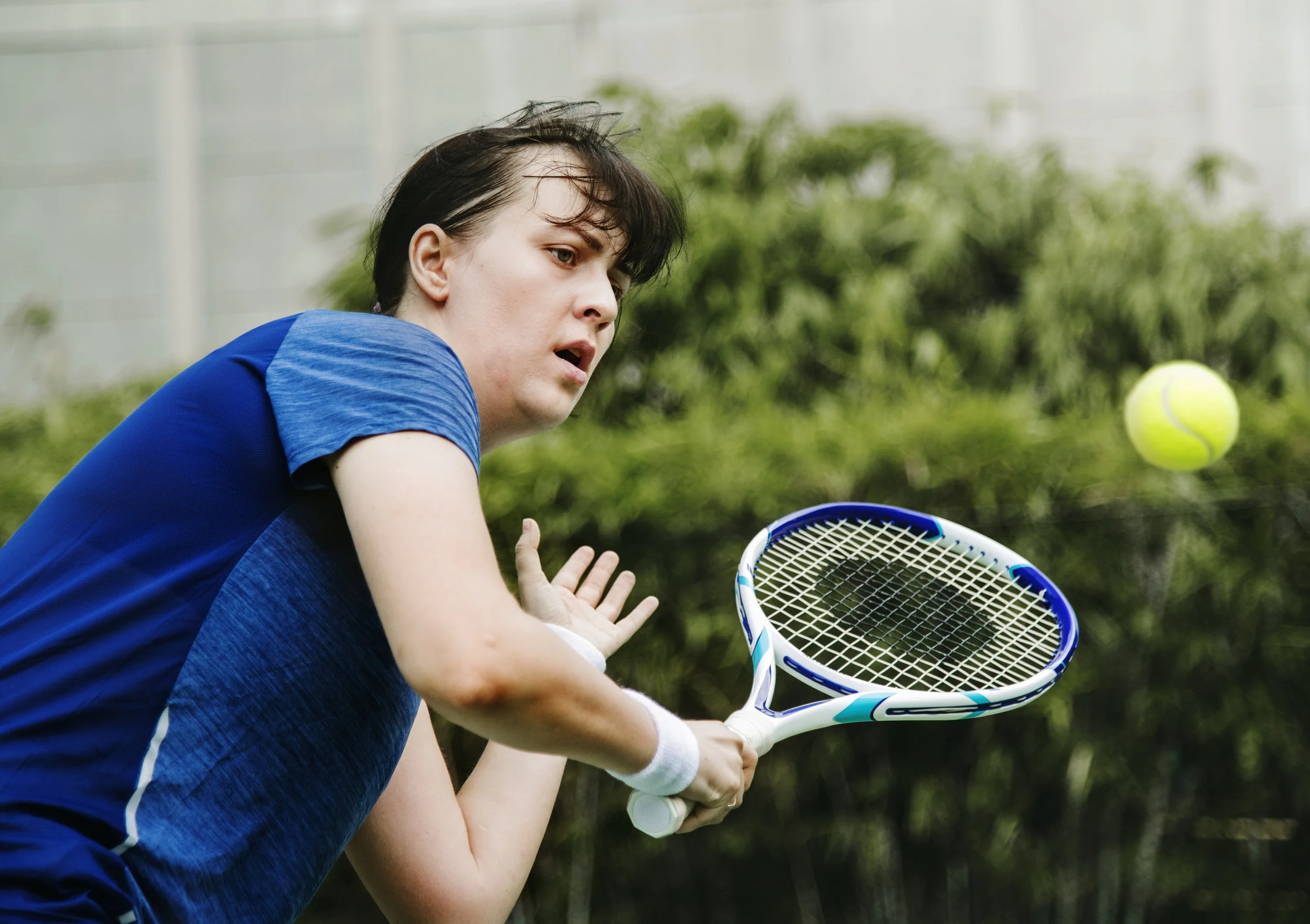
Most people assume tennis elbow only affects athletes who spend hours on the court. While the condition earned its name from the sport, the reality is very different. Many people who develop tennis elbow have never played a game of tennis in their lives.
From pickleball players and golfers to office workers, mechanics, gardeners, painters, and parents lifting young children, repetitive arm movements can place stress on the tendons around the elbow. Without proper care, the pain can gradually worsen and begin interfering with work, hobbies, and everyday tasks.
The good news is that early tennis elbow treatment can help relieve pain, restore strength, and prevent the condition from becoming chronic. At Roe Family Chiropractic, we help patients identify the underlying cause of their elbow pain and create personalized treatment plans designed to support recovery and long-term function.
What Is Tennis Elbow?
Tennis elbow, also known as lateral epicondylitis, is an overuse injury that affects the tendons connecting the forearm muscles to the outside of the elbow. Repeated gripping, lifting, twisting, or wrist movements can create tiny tears within the tendon. Over time, these small injuries can lead to pain, inflammation, and reduced function.
Although athletes can develop this condition, research shows that the majority of cases occur in people whose jobs or daily activities involve repetitive arm movements.
Without appropriate tennis elbow treatment, symptoms may continue for months or even longer.
Who Is Most at Risk?
You do not need to be an athlete to develop tennis elbow. The condition is common among people who repeatedly use their forearm muscles throughout the day.
Some of the most common groups include:
Pickleball players
Golfers
Electricians
Plumbers
Carpenters
Mechanics
Office workers who spend long hours using a mouse
Hair stylists
Gardeners
Weightlifters
Parents carrying young children
In communities where pickleball continues to grow in popularity, elbow injuries have become increasingly common. Many players are surprised to learn that chiropractic care may be part of an effective tennis elbow treatment plan.
Common Signs and Symptoms
Tennis elbow usually develops gradually rather than appearing after a single injury.
Common symptoms include:
Pain on the outside of the elbow
Weak grip strength
Pain when shaking hands
Difficulty opening jars
Pain while lifting objects
Discomfort during typing or computer work
Increased pain after sports or repetitive activities
Tenderness around the elbow
Some people notice discomfort only during activity, while others experience pain even at rest.
Ignoring these symptoms may allow the tendon to become more irritated over time.
Why Early Treatment Matters
Many people hope elbow pain will simply go away on its own. Unfortunately, continuing the same repetitive movements without addressing the underlying problem often delays healing.
Research suggests that early conservative care for tendon injuries can improve function while reducing pain and promoting tissue recovery.
Seeking tennis elbow treatment before symptoms become severe may shorten recovery time and reduce the risk of long-term limitations.
How Tennis Elbow Is Diagnosed
An accurate diagnosis is important because several conditions can produce similar symptoms.
During an evaluation, your healthcare provider may assess:
Your medical history
Daily activities
Work demands
Sports participation
Elbow movement
Grip strength
Wrist motion
Shoulder and neck function
Since the shoulder, wrist, and neck all influence arm movement, a comprehensive examination helps identify factors contributing to elbow pain.
At Roe Family Chiropractic, every patient receives an individualized assessment to determine the source of discomfort before developing a personalized care plan.
Conservative Tennis Elbow Treatment Options
Most cases respond well to conservative care, especially when treatment begins early.
Activity Modification
Temporary changes to repetitive activities allow the irritated tendon time to recover while avoiding further strain.
This does not necessarily mean complete rest. Instead, modifying technique, reducing repetitive stress, or adjusting equipment often helps.
Manual Therapy
Hands-on treatment may improve joint mobility, reduce muscle tension, and promote healthier movement throughout the arm.
Addressing nearby joints such as the wrist, shoulder, and neck may also improve overall mechanics.
Therapeutic Exercise
Research consistently supports progressive strengthening exercises for tendon injuries.
Treatment may include:
Forearm strengthening
Wrist mobility exercises
Grip training
Stretching
Shoulder stabilization exercises
These exercises help improve tendon capacity while reducing future injury risk.
Soft Tissue Therapy
Soft tissue techniques may help decrease muscle tightness, improve circulation, and support the body's natural healing process.
Therapeutic Modalities
Depending on the patient's needs, additional therapies may be recommended to complement tennis elbow treatment, including:
Cold laser therapy
Therapeutic ultrasound
Electrical stimulation
Kinesio taping
Heat or ice therapy when appropriate
These treatments are often used alongside exercise and manual care to support recovery.
Can Chiropractic Care Help?
Many people are surprised to learn that chiropractors commonly evaluate and manage extremity injuries in addition to neck and back pain.
Since elbow function depends on coordinated movement throughout the shoulder, upper back, wrist, and neck, improving overall biomechanics may reduce unnecessary stress placed on the injured tendon.
At Roe Family Chiropractic, treatment plans are tailored to each patient and may include chiropractic adjustments, soft tissue therapy, rehabilitation exercises, and education to help restore comfortable movement.
The goal is not simply to reduce pain but to improve function and help patients return to their normal activities safely.
Preventing Tennis Elbow
While not every case can be prevented, healthy movement habits may reduce your risk.
Helpful strategies include:
Warm up before sports
Stretch your forearms regularly
Strengthen your grip and wrist muscles
Improve playing technique
Take breaks during repetitive work
Adjust your workstation ergonomics
Use proper lifting mechanics
Gradually increase activity levels
Pickleball players should also consider using the correct paddle grip size and avoiding sudden increases in playing time.
Small changes often make a significant difference over time.
When Should You Seek Care?
You should consider scheduling an evaluation if:
Elbow pain lasts more than a few days
Your grip feels weaker
Pain interferes with work
You struggle with daily activities
Symptoms continue returning
Rest is no longer helping
Early intervention often leads to faster recovery and better long-term outcomes.
Don't Let Elbow Pain Keep You on the Sidelines
You do not have to play tennis to develop tennis elbow. Repetitive movements at work, during sports, or even everyday activities can place ongoing stress on the tendons surrounding the elbow.
Fortunately, effective tennis elbow treatment focuses on more than simply masking symptoms. Conservative care can help reduce pain, improve strength, restore movement, and address the underlying factors contributing to the injury.
At Roe Family Chiropractic, we provide personalized evaluations and evidence-informed care to help patients recover from tennis elbow and return to doing what they love. Whether your pain started after pickleball, gardening, office work, or another activity, early treatment can make a meaningful difference in your recovery.