Why Does My Hip Hurt After Sitting Too Long?

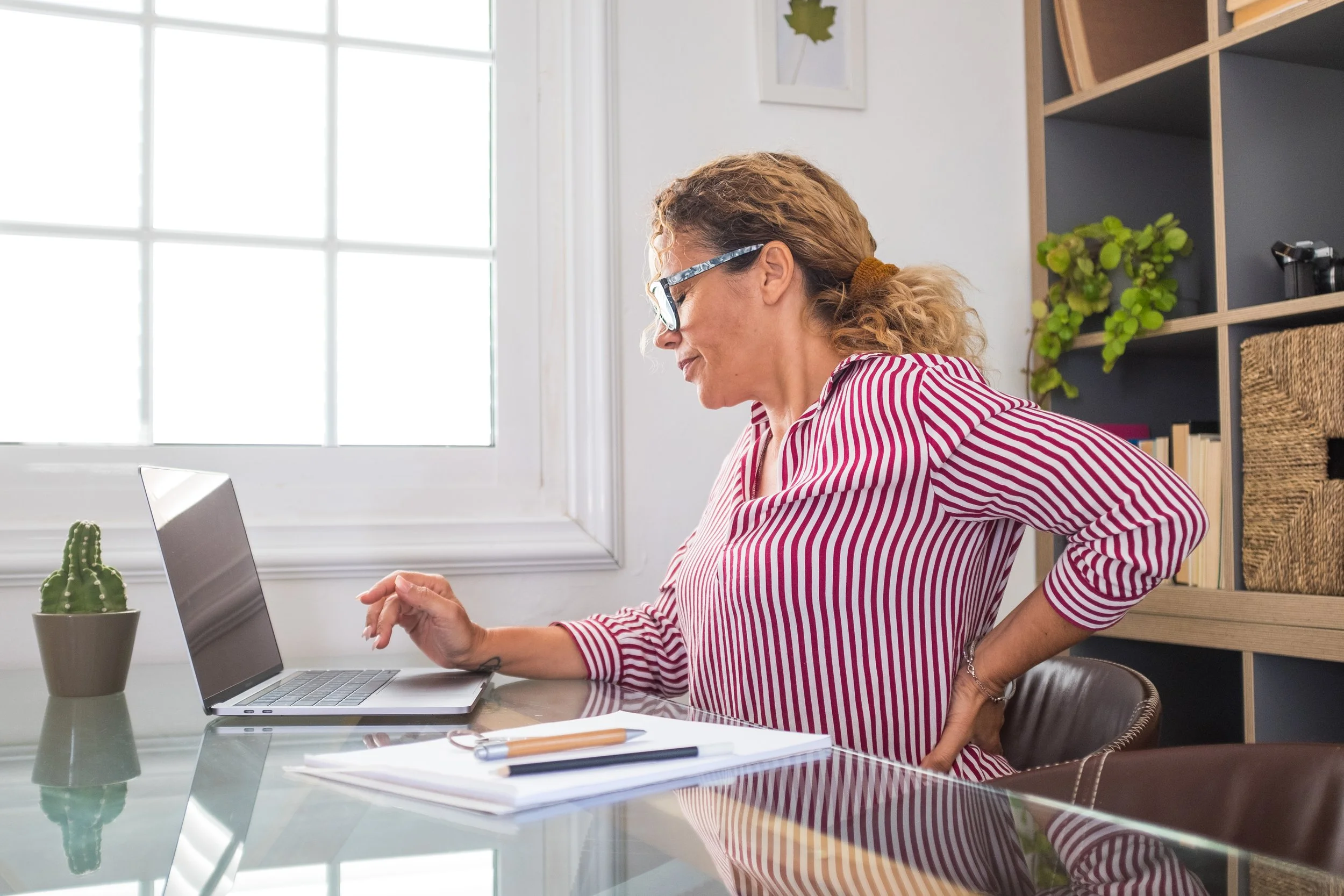
Have you ever stood up after sitting for an hour and felt a sharp ache, tightness, or stiffness around your hip? If so, you are not alone. Hip pain after sitting is a common complaint, especially among people who spend long hours at a desk, drive frequently, or have sedentary routines.
While occasional stiffness may simply be your body's response to staying in one position, recurring discomfort can indicate that your hips and surrounding muscles are not moving as efficiently as they should.
Understanding what contributes to hip pain after sitting can help you identify habits that may be affecting your mobility and determine when it is time to seek professional guidance.
Why Does Sitting Cause Hip Pain?
Your hip is a ball-and-socket joint designed to provide stability while allowing a wide range of movement. Sitting for prolonged periods keeps the hip in a flexed position, meaning your thigh remains drawn toward your torso.
When you stay in this position for a long time, the muscles and tissues surrounding the hip may become stiff or less tolerant of movement. Standing suddenly after prolonged sitting can then make the area feel tight or uncomfortable.
This does not necessarily mean sitting has damaged your hip. Instead, the combination of prolonged positioning, limited movement, muscle tension, and individual biomechanics may contribute to discomfort.
Common Causes of Hip Pain After Sitting
There is rarely one explanation for hip discomfort. Several factors can contribute to hip pain after sitting, including mobility restrictions, muscle imbalance, posture, previous injuries, and lack of physical activity.
1. Hip Mobility Restrictions
Healthy joints need regular movement. When you spend much of your day sitting, your hips may not regularly move through their full comfortable range of motion.
Limited hip mobility can make certain movements feel difficult, particularly when transitioning from sitting to standing, walking after a long period of inactivity, or climbing stairs.
Mobility restrictions can also affect how other parts of your body move. Your lower back, pelvis, knees, and ankles may compensate when your hip does not move efficiently.
2. Muscle Imbalances
Your hips depend on several groups of muscles working together, including the glutes, hip flexors, hamstrings, and muscles around the pelvis.
Long periods of sitting can keep the hip flexors in a shortened position while reducing opportunities to actively use the gluteal muscles.
This does not mean sitting automatically causes weak glutes or tight hip flexors in everyone. However, a sedentary lifestyle combined with insufficient strengthening may contribute to muscle imbalance and movement limitations.
3. Poor Sitting Position
How you sit can also influence how your hips feel.
Sitting with your pelvis tucked under, leaning heavily to one side, crossing your legs for extended periods, or using a chair that does not provide adequate support may increase strain on certain tissues.
There is no single perfect sitting posture that you must maintain all day. In fact, regularly changing positions is often more practical than trying to hold one rigid posture.
The Connection Between Your Hips and Lower Back
Your hips and lower back work together during everyday movements. When one area becomes restricted, another may compensate.
For example, limited hip mobility can change the way your pelvis moves when you walk, squat, bend, or stand. In some people, this may place additional demands on the lower back.
This is why evaluating hip pain after sitting should involve more than simply looking at the location of the discomfort. Understanding how the hips, pelvis, spine, and surrounding muscles work together can provide a more complete picture.
Why Movement Matters
One of the simplest ways to reduce the effects of prolonged sitting is to move more frequently.
You do not necessarily need an intense workout every time you get up. A short walk, standing for a few minutes, changing your sitting position, or performing gentle mobility exercises can break up long periods of inactivity.
Regular physical activity also helps maintain muscle strength and joint function. Research has consistently linked physical activity with better physical function and reduced risk of mobility limitations as people age.
If you work at a desk, consider setting reminders to stand and move periodically throughout the day.
Exercises That May Support Hip Mobility
Depending on the cause of your discomfort, certain exercises may help maintain hip mobility and strength.
Examples include:
Gentle hip flexor stretches
Glute bridges
Bodyweight squats
Hip rotations
Walking
Controlled leg movements
The right exercises depend on your current mobility, fitness level, and symptoms. If an exercise causes sharp or worsening pain, stop and seek appropriate professional guidance.
The goal is not to force your hip into uncomfortable positions. Consistent, controlled movement is generally more useful than aggressive stretching.
When Should You Take Hip Pain Seriously?
Occasional discomfort after sitting may not be a cause for concern, particularly if it improves once you start moving.
However, recurring hip pain after sitting should not automatically be dismissed as normal aging or simply being "out of shape."
Consider seeking an evaluation if your symptoms:
Persist or progressively worsen
Interfere with walking or daily activities
Are accompanied by significant swelling
Develop after an injury
Cause weakness or instability
Continue despite improving your movement habits
Wake you regularly at night
A healthcare professional can help determine whether the discomfort may be related to the muscles, joints, nerves, or another underlying issue.
How Roe Family Chiropractic Can Help
At Roe Family Chiropractic, the focus is on understanding how your body moves as a whole.
When someone experiences hip pain after sitting, looking only at the painful area may not provide the complete picture. Hip mobility, pelvic movement, spinal mechanics, muscle function, posture, and daily habits may all influence how you move.
A chiropractic evaluation can help identify areas of restricted movement and potential musculoskeletal contributors. Depending on your individual needs, care may include chiropractic techniques, mobility recommendations, corrective exercises, and lifestyle strategies.
The goal is to help you understand your body and support better movement rather than simply ignoring recurring discomfort.
Don't Let Sitting Control How You Move
Sitting is a normal part of modern life, but sitting for hours without movement can make your hips feel stiff and uncomfortable.
If you regularly experience hip pain after sitting, pay attention to your daily movement habits. Break up long periods of sitting, stay physically active, strengthen the muscles that support your hips, and avoid ignoring persistent symptoms.
Your hips are designed to move. Supporting their mobility and strength can help you stay active, comfortable, and confident in your everyday life.
If hip discomfort continues to interfere with your routine, consider getting evaluated to better understand what may be contributing to it.