5 Everyday Pains You Shouldn't Ignore After 50

Aches and pains often become more common as we get older, but that does not mean they should be considered a normal part of aging. Many people over 50 dismiss recurring discomfort as something they simply have to live with. The truth is that persistent pain is often your body's way of telling you that something needs attention.
Whether you enjoy walking, golfing, playing pickleball, gardening, or spending time with your grandchildren, everyday pain can limit your ability to stay active and independent. Addressing these issues early may help prevent them from becoming more serious and improve your overall quality of life.
At Roe Family Chiropractic, we frequently see patients who waited months or even years before seeking care because they assumed their pain was "just getting older." In many cases, conservative treatment and healthy movement strategies can help reduce discomfort and restore function.
Here are five everyday pains you should never ignore after 50.
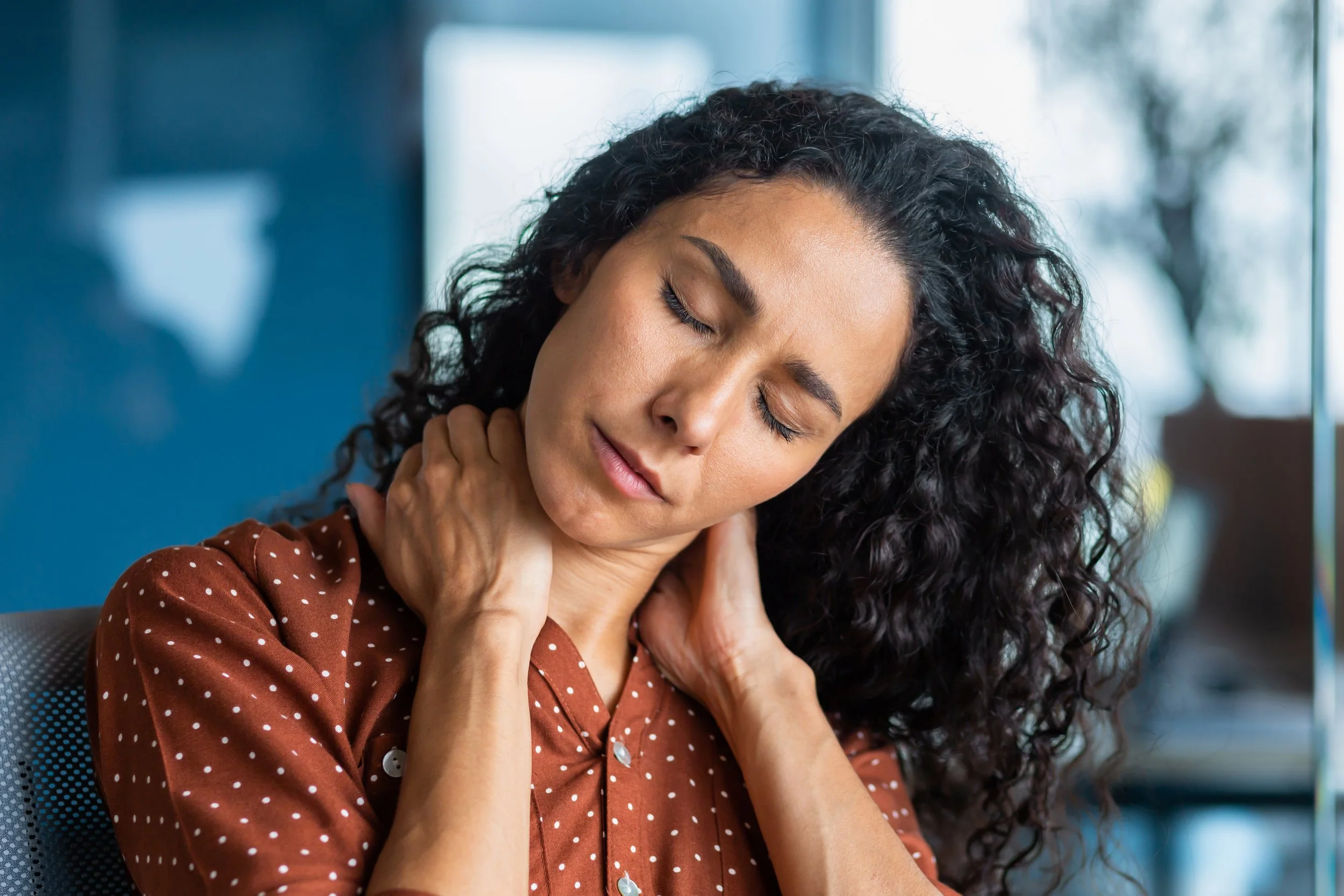
1. Neck Pain That Keeps Coming Back
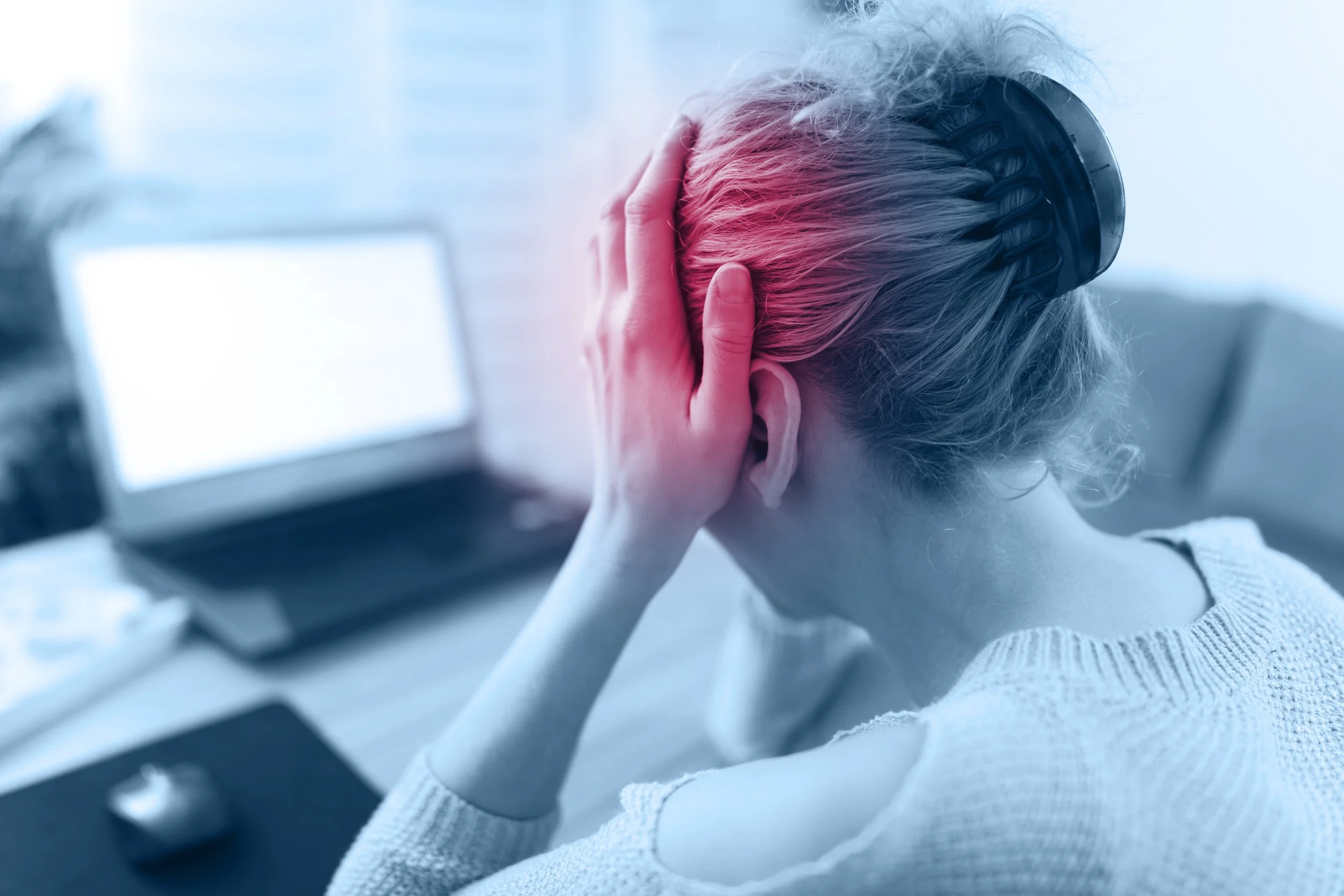
Many adults spend hours looking down at phones, tablets, and computers. Over time, poor posture can place extra stress on the muscles and joints in the neck.
While occasional stiffness may improve with rest, recurring neck pain deserves attention, especially if it begins to affect your daily activities.
Common symptoms include:
Stiffness when turning your head
Pain while driving
Headaches that start at the base of the skull
Muscle tightness across the shoulders
Reduced range of motion
Persistent neck pain may be related to joint restrictions, muscle tension, arthritis, or postural habits.
A comprehensive evaluation can help determine the underlying cause and identify appropriate treatment options.
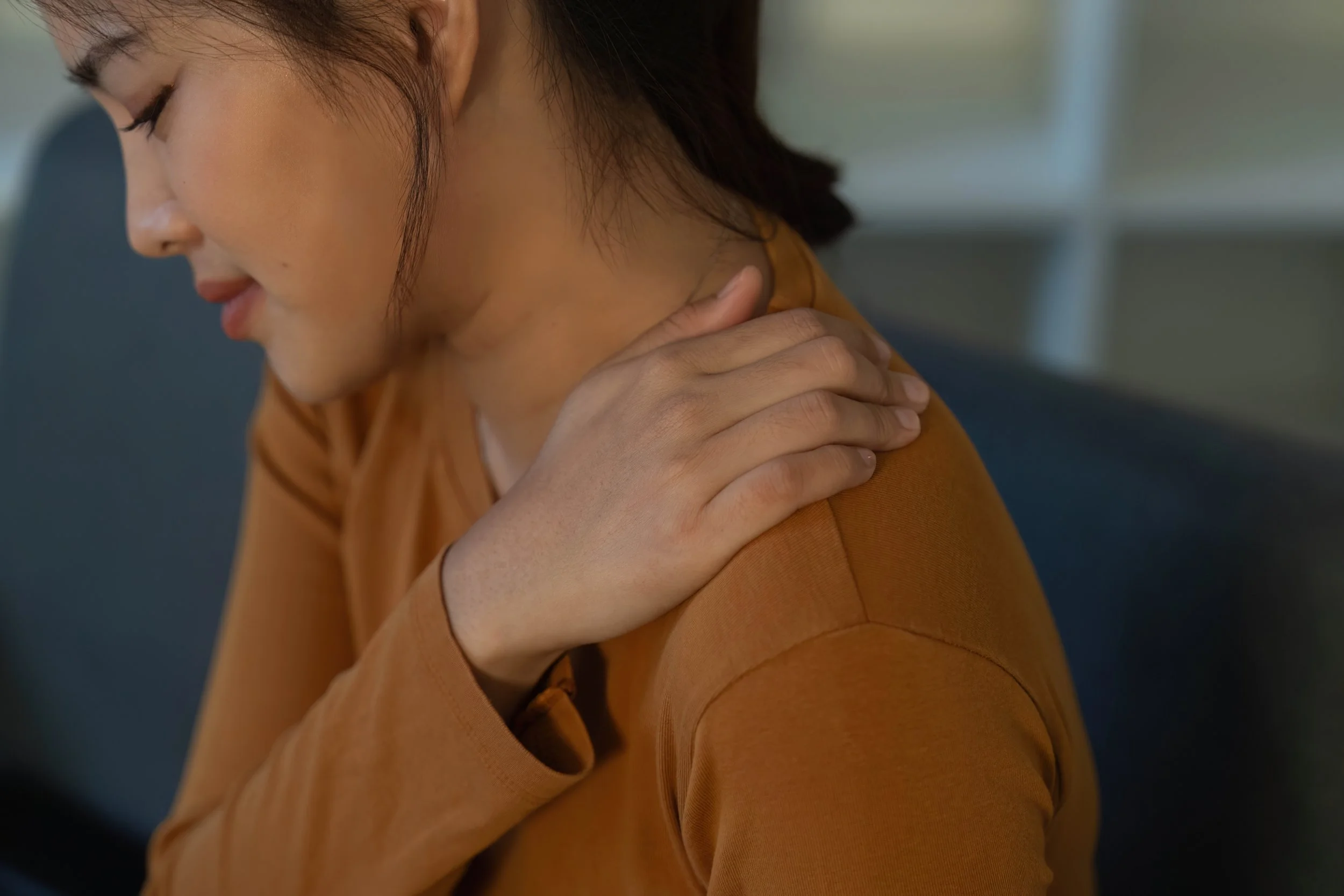
2. Shoulder Pain That Makes Everyday Tasks Difficult
Shoulder pain often develops gradually rather than after a specific injury.
You may notice discomfort when:
Reaching into cabinets
Getting dressed
Lifting groceries
Carrying grandchildren
Sleeping on one side
The shoulder depends on healthy movement throughout the neck, upper back, ribs, and shoulder blade.
Sometimes the shoulder itself is not the primary problem. Restricted movement in nearby joints may contribute to ongoing discomfort.
Early treatment may help improve mobility before stiffness becomes more difficult to manage.
3. Knee Pain When Walking or Climbing Stairs
Many people assume knee pain automatically means they need surgery. While severe arthritis may eventually require surgical care, many cases respond well to conservative treatment.
Knee pain after 50 may be related to:
Osteoarthritis
Muscle weakness
Reduced hip mobility
Poor walking mechanics
Previous injuries
If climbing stairs, walking the golf course, or standing from a chair has become painful, it is worth having your movement evaluated.
Improving strength, flexibility, and joint function may reduce stress on the knee and improve daily comfort.
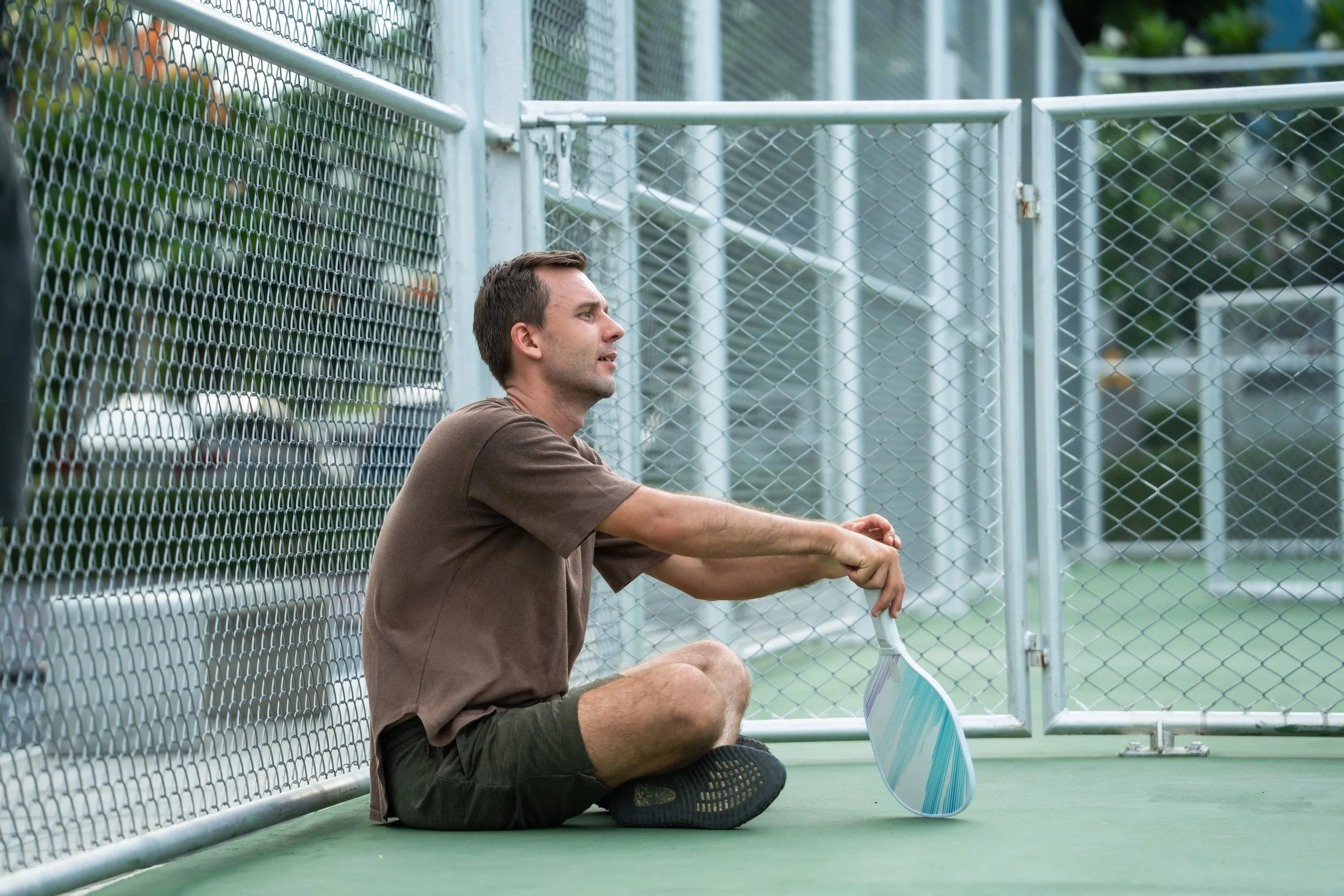
4. Elbow Pain From Everyday Activities
Tennis elbow is no longer just a condition seen in athletes.
Many adults develop elbow pain from:
Playing pickleball
Golf
Gardening
Home improvement projects
Computer work
Lifting objects
Pain on the outside of the elbow that continues for several weeks should not be ignored.
Without proper treatment, repetitive tendon irritation can become more difficult to manage over time.
Conservative care often includes activity modification, rehabilitation exercises, manual therapy, and strategies to reduce strain during daily activities.
5. Low Back Pain That Limits Your Lifestyle
Low back pain remains one of the leading causes of disability worldwide.
Although occasional soreness is common, recurring back pain that interferes with walking, exercising, sleeping, or household chores should not be considered a normal part of aging.
Common causes include:
Muscle strain
Joint dysfunction
Arthritis
Poor posture
Reduced core strength
Limited hip mobility
Many people reduce their activity because they fear making the pain worse. Unfortunately, avoiding movement altogether may actually contribute to stiffness and muscle weakness.
Appropriate exercise and conservative care often play an important role in recovery.
Why Pain Should Never Be Ignored
Pain serves an important purpose.
It alerts you when something in your body is not functioning as well as it should.
Ignoring symptoms may allow minor problems to gradually become chronic conditions that are more difficult to treat.
Early evaluation can help identify movement restrictions, muscle imbalances, joint dysfunction, or lifestyle factors contributing to ongoing discomfort.
Addressing these issues sooner often leads to better outcomes and may reduce the need for more invasive treatment later.
Healthy Habits That Support Joint Health
While not every condition can be prevented, several daily habits may help reduce joint stress and improve mobility.
Helpful strategies include:
Stay physically active
Stretch regularly
Maintain good posture
Strengthen your core muscles
Warm up before exercise
Wear supportive footwear
Take breaks from prolonged sitting
Lift objects using proper body mechanics
Maintain a healthy weight
Small changes can make a meaningful difference over time.
How Chiropractic Care May Help
Chiropractic care focuses on improving how the joints, muscles, and nervous system work together.
Rather than simply treating pain, conservative care aims to restore healthy movement and improve overall function.
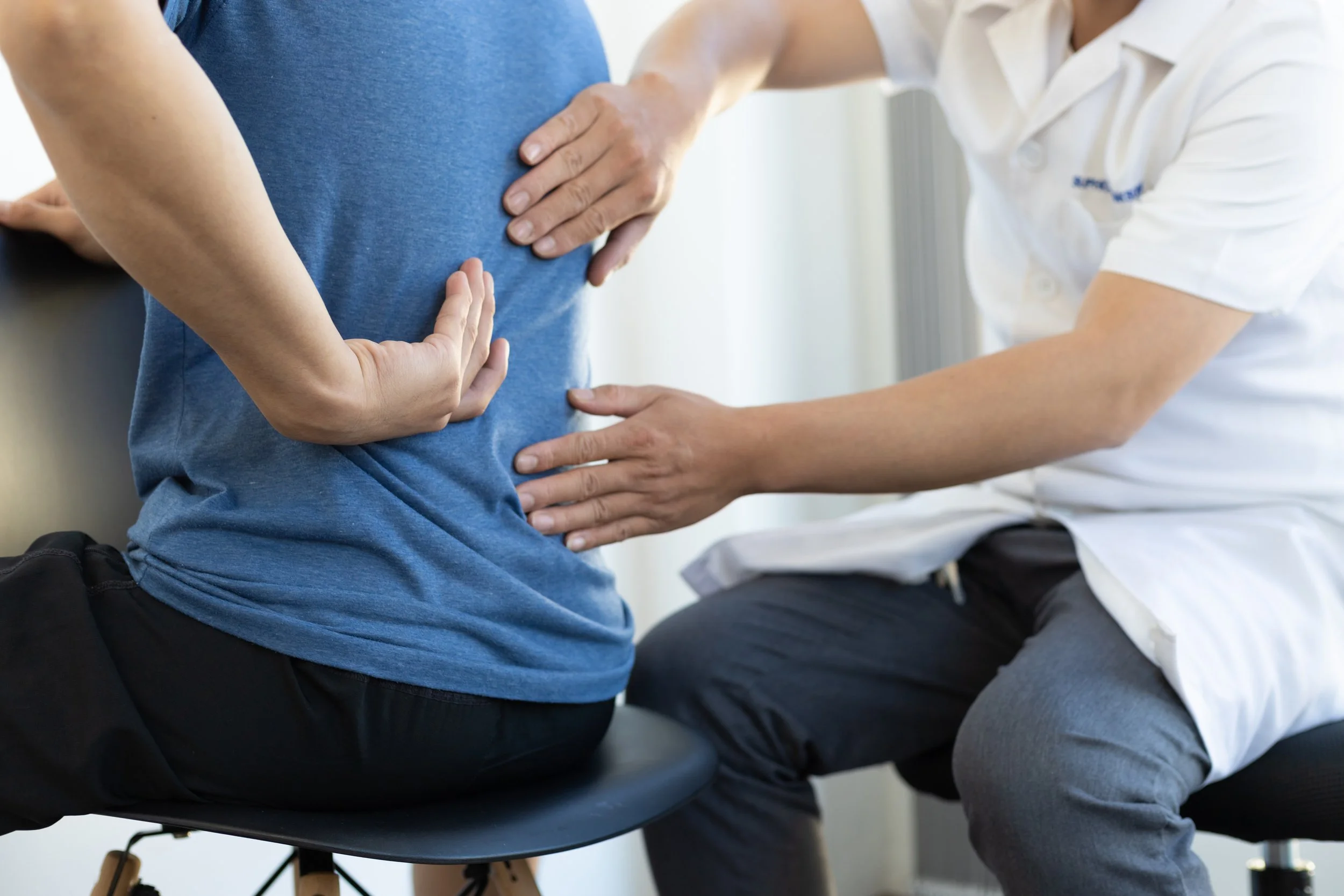
At Roe Family Chiropractic, every patient begins with a comprehensive evaluation that may include:
Posture assessment
Joint mobility testing
Muscle strength evaluation
Functional movement assessment
Medical history review
Depending on your needs, treatment may include:
Chiropractic adjustments
Soft tissue therapy
Corrective exercises
Stretching recommendations
Lifestyle education
Ergonomic advice
Every treatment plan is tailored to your goals and daily activities.
When Is It Time to Seek Care?
Consider scheduling an evaluation if:
Pain lasts longer than a few weeks
Symptoms continue returning
Pain limits your daily activities
Walking becomes difficult
You experience reduced flexibility
Rest no longer improves your symptoms
Seeking care early often leads to faster recovery and better long-term mobility.
Stay Active for Years to Come
Growing older does not mean you have to accept pain as part of everyday life. While some changes naturally occur with age, persistent discomfort should never be ignored.
Whether it is neck pain, shoulder discomfort, knee pain, elbow pain, or recurring low back pain, identifying the underlying cause can help you stay active and continue doing the things you enjoy.
At Roe Family Chiropractic, we help adults over 50 improve mobility, reduce pain, and maintain an active lifestyle through personalized, evidence-informed care. If everyday pain is slowing you down, a comprehensive evaluation may be the first step toward feeling better and moving with confidence again.