Skin Health: Understanding Acne, Eczema, Rosacea, and the Role of the Gut-Skin Axis
Healthy skin is often viewed as a reflection of good hygiene or an effective skincare routine. While cleansers, moisturizers, and topical treatments certainly play a role, growing research suggests that what happens inside the body can also influence the appearance and health of the skin.
Conditions such as acne, eczema, and rosacea are complex and can be affected by genetics, hormones, immune function, environmental triggers, and lifestyle habits. Researchers are also exploring the connection between the gut-skin axis, liver overload, and inflammation to better understand how internal health may contribute to skin concerns.
At Roe Family Chiropractic, we believe in educating patients about whole-body wellness. While upper cervical chiropractic care is not a treatment for skin conditions, supporting overall nervous system function may be one part of a comprehensive approach to health alongside medical care, healthy nutrition, stress management, and lifestyle changes.
Understanding Common Skin Conditions
Acne
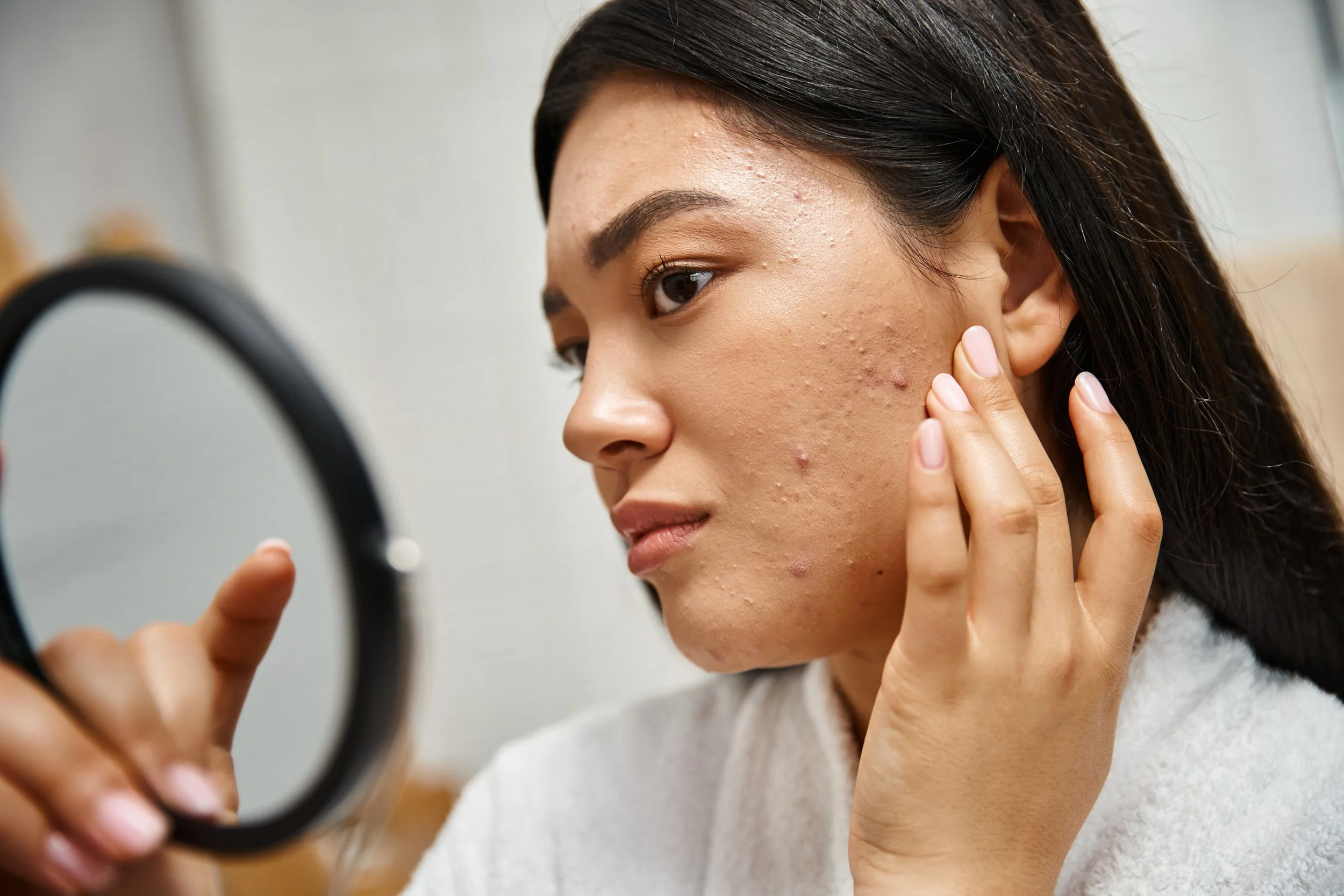
Acne develops when hair follicles become clogged with oil, dead skin cells, and bacteria. Hormonal fluctuations, genetics, diet, stress, and inflammation can all contribute to breakouts.
Acne can affect teenagers and adults alike, often appearing on the face, chest, shoulders, and back.
Eczema
Eczema, also known as atopic dermatitis, is a chronic inflammatory skin condition that causes dry, itchy, and irritated skin. Flare-ups may be triggered by allergens, harsh soaps, stress, weather changes, or immune system activity.
Because eczema affects the skin barrier, protecting the skin with gentle products and proper hydration is an important part of management.
Rosacea
Rosacea is a long-term inflammatory skin condition that commonly causes facial redness, visible blood vessels, flushing, and acne-like bumps.
Although the exact cause remains unknown, researchers believe genetics, immune responses, environmental triggers, and vascular changes all play a role.
What Is the Gut-Skin Axis?
One of the most studied concepts in functional health is the gut-skin axis.
The gut-skin axis refers to the complex relationship between the digestive system, the immune system, and the skin. The trillions of bacteria living in the digestive tract help regulate immune responses, nutrient absorption, and inflammation throughout the body.
When the gut microbiome becomes imbalanced, it may influence immune activity and inflammatory processes that can affect skin health.
Research suggests that maintaining a healthy gut microbiome may support healthier skin, although more studies continue to explore exactly how the gut-skin axis influences specific skin conditions.
Supporting the gut-skin axis through balanced nutrition, adequate fiber intake, hydration, and healthy lifestyle habits may contribute to overall wellness.
How Inflammation Affects Skin Health
Inflammation is the body's natural defense mechanism against injury and infection. However, when inflammation becomes chronic, it may contribute to a variety of health concerns, including skin disorders.
In acne, inflammation contributes to swollen, painful blemishes.
In eczema, inflammation weakens the skin barrier and increases itching and irritation.
In rosacea, inflammation is believed to contribute to persistent redness and flare-ups.
While inflammation itself is not always visible, it plays an important role in how the skin functions and heals.
Managing inflammation often involves a combination of healthy eating, stress reduction, regular physical activity, adequate sleep, and medical treatment when necessary.
Understanding Liver Overload
The term liver overload is commonly used in wellness discussions to describe situations where the liver is managing increased demands from factors such as poor diet, alcohol consumption, obesity, or certain medical conditions.
It is important to understand that the liver is naturally designed to process toxins and metabolic waste. In healthy individuals, it performs this role efficiently.
However, excessive alcohol intake, fatty liver disease, certain medications, and chronic metabolic conditions can impair liver function.
Although some people claim that liver overload directly causes acne or eczema, current scientific evidence does not support the idea that routine "detoxes" cleanse the liver or cure skin conditions.
Instead, supporting liver health involves evidence-based habits such as:
Eating a balanced diet
Maintaining a healthy weight
Exercising regularly
Staying hydrated
Limiting alcohol intake
Managing chronic health conditions
Healthy liver function supports overall wellness, but skin conditions usually involve multiple contributing factors beyond liver overload alone.
Lifestyle Habits That Support Healthy Skin
Although there is no universal solution for acne, eczema, or rosacea, several healthy habits may help support skin health.
Eat a Nutrient-Dense Diet
Colorful fruits and vegetables provide antioxidants that help protect skin cells from oxidative stress.
Healthy fats from fish, nuts, seeds, and olive oil may also support normal skin function.
Foods rich in fiber help nourish beneficial gut bacteria, supporting the gut-skin axis.
Prioritize Sleep
Sleep plays an important role in tissue repair, hormone regulation, and immune function.
Poor sleep may increase stress hormones and contribute to inflammation, making it more difficult for the body to recover.
Aim for seven to nine hours of quality sleep each night whenever possible.
Manage Stress
Stress does not directly cause acne, eczema, or rosacea, but it can worsen symptoms in many individuals.
Stress management techniques may include:
Deep breathing
Meditation
Walking outdoors
Gentle exercise
Spending time with loved ones
Reducing stress may help lower chronic inflammation while supporting overall health.
Stay Hydrated
Water helps maintain healthy skin function and supports numerous metabolic processes throughout the body.
Although hydration alone will not eliminate skin conditions, it remains an important part of overall wellness.
Where Upper Cervical Chiropractic Fits Into Whole-Body Wellness
At Roe Family Chiropractic, patient care focuses on optimizing nervous system function through precise upper cervical care.
The nervous system helps regulate communication between the brain and the rest of the body, influencing many physiological processes. While upper cervical chiropractic care is not a treatment for acne, eczema, rosacea, liver overload, or inflammation, supporting nervous system health may complement a broader wellness plan that includes medical care, healthy nutrition, stress management, and lifestyle improvements.
Every patient receives an individualized evaluation to determine whether upper cervical care is appropriate for their unique health goals.
When Should You See a Healthcare Professional?
Persistent or worsening skin conditions should always be evaluated by a qualified healthcare provider.
You should seek medical advice if you experience:
Severe or painful acne
Persistent eczema flare-ups
Rosacea that continues to worsen
Signs of skin infection
Symptoms that interfere with daily life
A healthcare professional can recommend evidence-based treatments that are appropriate for your specific condition.
Conclusion
Healthy skin involves much more than what you apply to the surface. Conditions such as acne, eczema, and rosacea are influenced by many factors, including genetics, hormones, immune function, lifestyle, and environmental triggers.
Emerging research continues to explore the relationship between the gut-skin axis, liver overload, and inflammation, highlighting the importance of supporting overall health rather than focusing on a single cause. While no one solution works for everyone, healthy nutrition, quality sleep, stress management, regular exercise, and proper medical care can all contribute to healthier skin.
At Roe Family Chiropractic, we encourage a whole-body approach to wellness. Although upper cervical chiropractic care is not a treatment for skin conditions, supporting nervous system health may complement healthy lifestyle habits as part of your overall wellness journey.