Sleep Optimization & Circadian Rhythm Support: Why You Can't Fall or Stay Asleep and Functional Solutions That May Help
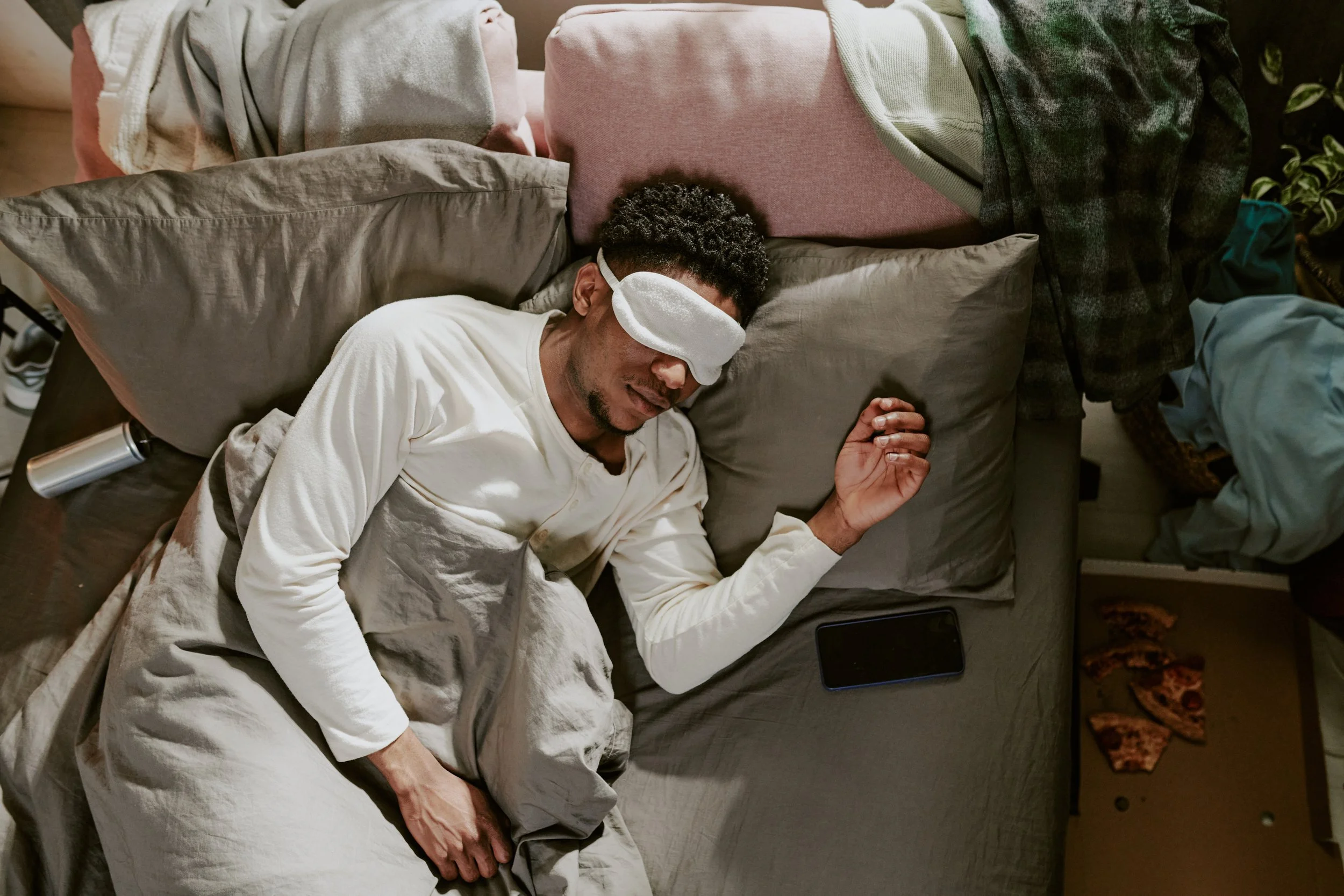
Getting enough sleep should be one of the easiest parts of staying healthy, yet millions of people struggle to fall asleep, stay asleep, or wake up feeling refreshed. If you've found yourself staring at the ceiling night after night or waking up multiple times before morning, you're not alone.
Poor sleep affects far more than your energy levels. It can influence your mood, memory, immune system, hormone balance, and overall quality of life. While sleeping pills may provide temporary relief for some people, they don't always address the underlying reasons behind disrupted sleep.
Understanding why people can't fall or stay asleep + functional solutions can help you identify habits and lifestyle factors that may be affecting your rest. At Roe Family Chiropractic, patient care focuses on supporting overall health by helping individuals optimize nervous system function alongside healthy lifestyle practices.
Why Sleep Matters
Sleep is one of the body's most important recovery processes. During sleep, your brain organizes memories, your muscles repair themselves, your immune system strengthens, and your hormones are carefully regulated.
According to the Centers for Disease Control and Prevention (CDC), adults should aim for at least seven hours of sleep each night. Regularly getting less than the recommended amount has been associated with an increased risk of chronic health conditions, reduced concentration, mood changes, and decreased physical performance.
When sleep becomes disrupted, every system in the body can be affected.
Common Reasons People Can't Fall or Stay Asleep
Understanding why people can't fall or stay asleep + functional solutions starts with identifying the factors that commonly interfere with healthy sleep.
1. Circadian Rhythm Disruption
Your circadian rhythm is your body's internal clock that helps regulate when you feel awake and when you feel sleepy.
Late-night screen time, irregular sleep schedules, shift work, and frequent travel across time zones can confuse this natural rhythm. Exposure to bright light during the evening may reduce melatonin production, making it more difficult to fall asleep.
Keeping a consistent bedtime and wake-up time, even on weekends, can help reinforce your body's natural sleep cycle.
2. Chronic Stress
Stress activates your body's fight-or-flight response, increasing the release of cortisol and adrenaline. These hormones are helpful during emergencies but can make it difficult to relax when it's time to sleep.
Many people notice that their minds race as soon as they lie down. Worrying about work, finances, family responsibilities, or tomorrow's schedule can prevent both falling asleep and staying asleep.
Relaxation techniques such as deep breathing, mindfulness, journaling, or gentle stretching before bed may help calm the nervous system.
3. Excessive Screen Time
Phones, tablets, televisions, and computers emit blue light that can suppress melatonin production.
Even if you feel tired, scrolling through social media or answering emails late at night may delay your body's natural sleep signals.
Experts often recommend limiting screen exposure for at least one hour before bedtime and choosing relaxing activities instead, such as reading a book or listening to calming music.
4. Poor Sleep Habits
Small habits can have a surprisingly large impact on sleep quality.
Common examples include:
Drinking caffeine too late in the day
Eating heavy meals close to bedtime
Sleeping in an overly warm room
Using your bed for work instead of rest
Maintaining inconsistent sleep schedules
Improving sleep hygiene is often one of the simplest functional solutions that supports healthier sleep patterns.
Functional Solutions That Support Better Sleep
If you're exploring why people can't fall or stay asleep + functional solutions, it's important to remember that better sleep usually comes from addressing multiple factors rather than relying on a single strategy.
Support Your Circadian Rhythm
Your circadian rhythm responds strongly to light.
Try to:
Get natural sunlight within the first hour after waking
Maintain a consistent sleep schedule
Dim lights during the evening
Reduce bright screen exposure before bed
These habits help reinforce your body's natural sleep and wake cycle.
Create a Relaxing Bedtime Routine
Your brain benefits from routines that signal it's time to slow down.
A calming evening routine may include:
Reading
Meditation
Gentle stretching
Deep breathing exercises
Listening to relaxing music
Repeating the same routine each evening helps prepare your body for sleep.
Optimize Your Sleep Environment
Your bedroom should encourage rest.
Simple adjustments include:
Keeping the room cool and dark
Reducing noise when possible
Using supportive pillows and a comfortable mattress
Removing unnecessary electronics
These environmental changes may improve overall sleep quality.
Support Overall Nervous System Health
Healthy sleep depends on many systems working together, including the nervous system.
The nervous system helps regulate communication between the brain and the rest of the body. When evaluating overall wellness, some individuals choose to include upper cervical chiropractic care as part of their broader health approach.
At Roe Family Chiropractic, every patient receives a comprehensive evaluation to determine whether upper cervical care is appropriate for their individual needs. While upper cervical chiropractic care is not a treatment for insomnia, supporting overall nervous system function may be one component of a comprehensive wellness plan alongside healthy sleep habits and guidance from your healthcare provider.
When Should You Seek Professional Help?
Occasional sleepless nights are normal. However, ongoing sleep problems deserve attention.
Consider speaking with a healthcare professional if you:
Regularly struggle to fall asleep
Wake frequently throughout the night
Feel exhausted despite getting enough time in bed
Experience loud snoring or breathing interruptions during sleep
Notice that poor sleep is affecting your daily life
A healthcare provider can evaluate for underlying medical conditions that may be contributing to your symptoms and recommend appropriate treatment.
A Whole Body Approach to Better Sleep
There is rarely a single reason why someone experiences poor sleep. Instead, sleep quality is often influenced by a combination of daily habits, stress levels, environmental factors, overall health, and nervous system function.
Understanding why people can't fall or stay asleep + functional solutions allows you to take practical steps that support healthier sleep over time.
Simple changes such as improving sleep hygiene, maintaining a consistent schedule, reducing evening screen time, managing stress, and creating a calming bedtime routine may make a meaningful difference.
For individuals looking to support their overall health, Roe Family Chiropractic provides personalized upper cervical evaluations that focus on nervous system function as part of a comprehensive wellness approach.
Conclusion
Quality sleep is essential for both physical and mental well-being. If you've been wondering why people can't fall or stay asleep + functional solutions, the answer often lies in addressing everyday habits, supporting your circadian rhythm, managing stress, and creating an environment that promotes restful sleep.
While there is no one-size-fits-all solution, making consistent lifestyle improvements can help your body function at its best. If sleep challenges continue despite healthy habits, working with qualified healthcare professionals can help identify underlying causes and determine the most appropriate next steps.